
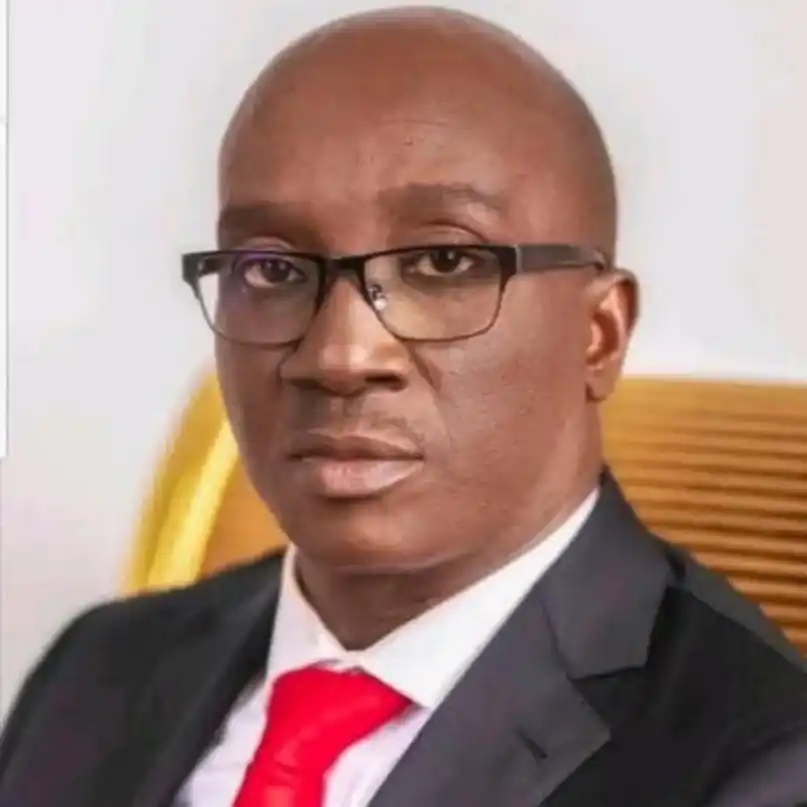
Governor Monday Okpebholo has introduced sweeping reforms in Edo State’s civil and public service within nine months of assuming office, a development officials describe as historic and transformative.
Edo State Head of Service, Dr. Anthony Okungbowa, who is spearheading the changes on behalf of the administration, praised the governor’s commitment to the system. He said, “The civil service is the engine room of governance and a critical driver of the SHINE Agenda. Governor Okpebholo has given unusual attention to the workforce, making it clear that the administration’s promise of renewal cannot be realized without a motivated, professional, and well-resourced civil service.”
One of the landmark reforms is the decision to abolish outsourced cleaning contracts and directly employ 1,000 cleaners as civil servants. The governor explained that funds previously spent on contractors could sustain direct employment at the new ₦75,000 minimum wage. This move, according to officials, guarantees job security, dignity, and protection under civil service rules.
In addition, almost 2,000 new staff have been recruited across health, education, and agriculture, bringing the total number of new employees to more than 3,000 in less than a year. Over 1,300 health workers have been absorbed into the Hospitals Management Agency, while more than 4,000 EdoSTAR teachers have been made permanent staff, providing them with stability and recognition.
The governor has also approved the recruitment of graduate doctors, agricultural extension officers, and other health personnel to address workforce gaps. Recruitment in the education sector is ongoing to match the state’s investment in school infrastructure.
The Civil Service Commission has been reconstituted and is preparing to clear the backlog of promotions. Promotions will now be merit-based through the Edo-PREP system, which is designed to retool officers and reward competence and excellence.
On welfare, the government has sustained prompt salary payments on or before the 26th of every month and introduced a 13th-month wage in December 2024. Edo is now one of only three states in Nigeria paying a ₦75,000 minimum wage, a policy seen as life-changing for workers and their families.
Pensioners have also received support, with ₦300 million released monthly for gratuities and ₦1 billion dedicated to clearing arrears dating back to 2012. In addition, over ₦65 million has been paid in insurance claims to families of deceased staff.
The administration has directed significant investments toward infrastructure and institutional renewal. Government buildings on Ezoti Street are undergoing renovation to house ministries and agencies, while the quarters of resident doctors are being rehabilitated.
Other reforms include the introduction of a Civil Service Anthem, a new dress code, and the institutionalization of Civil Service Week. These steps, officials say, have rekindled pride, identity, and dignity among workers.
“Governor Okpebholo sees, he acts, and he takes responsibility. He is not only reforming structures but rebuilding confidence and restoring value in public service,” Dr. Okungbowa said. He noted that Edo State is now positioning its civil service as a model of professionalism and efficiency for the country.
With the Edo-PREP blueprint guiding the reforms, the administration has expressed determination to consolidate these gains. “With His Excellency’s vision and political will, these reforms are not just ambitious. They are achievable. The nation is watching, and Edo is setting the pace,” Dr. Okungbowa affirmed.
The Edo State Government has assured workers, pensioners, and the public of its commitment to the SHINE Agenda, pledging to sustain purposeful, people-centered governance.